


Recurring billing
Recurring billing should not depend on someone remembering.
Set the schedule once. Review changes and approvals before each invoice reaches the client.
7-day free trial, no card needed.Invoicera runs recurring billing for retainers and contracts that repeat weekly, monthly or annually. Set the start date, end date, frequency and customer terms once. Each invoice follows that schedule, while finance can review changed amounts, renewals and approvals before it reaches the client.
Where repeat billing breaks
The date repeats. The judgement does not.
Most months are routine. Then a contract changes, a client pauses or the approver is away. A calendar reminder cannot carry that decision.
Remember renewal review
Effective after 31 August
Owner and next action unclear
- 01
The date lives in the calendar
A reminder tells someone to start. It does not carry the billing terms.
- 02
The change lives in the contract
A revised amount or end date must be rediscovered before every run.
- 03
The decision lives in the inbox
No one can see whether the invoice is ready, waiting or blocked.
From agreement to invoice
A schedule that prepares the invoice - not another reminder to build it.
See the configured terms, the invoice they prepare and the review that must happen before sending.
Set the recurring terms
Keep frequency, start date, end rule and customer terms together.
A practical decision rule
Let the schedule repeat. Make the exceptions visible.
Routine timing can run automatically. Changed amounts, renewal terms and entity rules still need a clear owner.
Worked billing run
The invoice appears because the agreement says it should.
The September invoice is prepared from the stored retainer terms. Finance sees the amount, effective dates and review owner before sending.
For quantity-led charges, use usage-based billing. For several reviewers, see the outgoing invoice approval workflow.
Works alongside accounting
Run the schedule in Invoicera. Keep the ledger in QuickBooks or Xero.
Invoicera sends supported billing outputs outbound. QuickBooks or Xero remains the system of record for the ledger.
Industries
Billing by industry.
Explore billing by industry.
View all industries
Professional services
Control retainers, approved time, project work and client review before the invoice leaves finance.
View industry →
SaaS
Keep recurring periods, entered or imported quantities and renewal billing decisions visible.
View industry →
Construction
Turn accepted milestones, change orders and project billing checkpoints into controlled invoices.
View industry →
Logistics
Connect service records, rates, accessorial charges and customer requirements to outgoing billing.
View industry →
Legal
Keep the fee arrangement, reviewer and receivable path connected to the outgoing invoice.
View industry →Blog
Relevant reading for this decision.
Explore billing decisions.
View more articles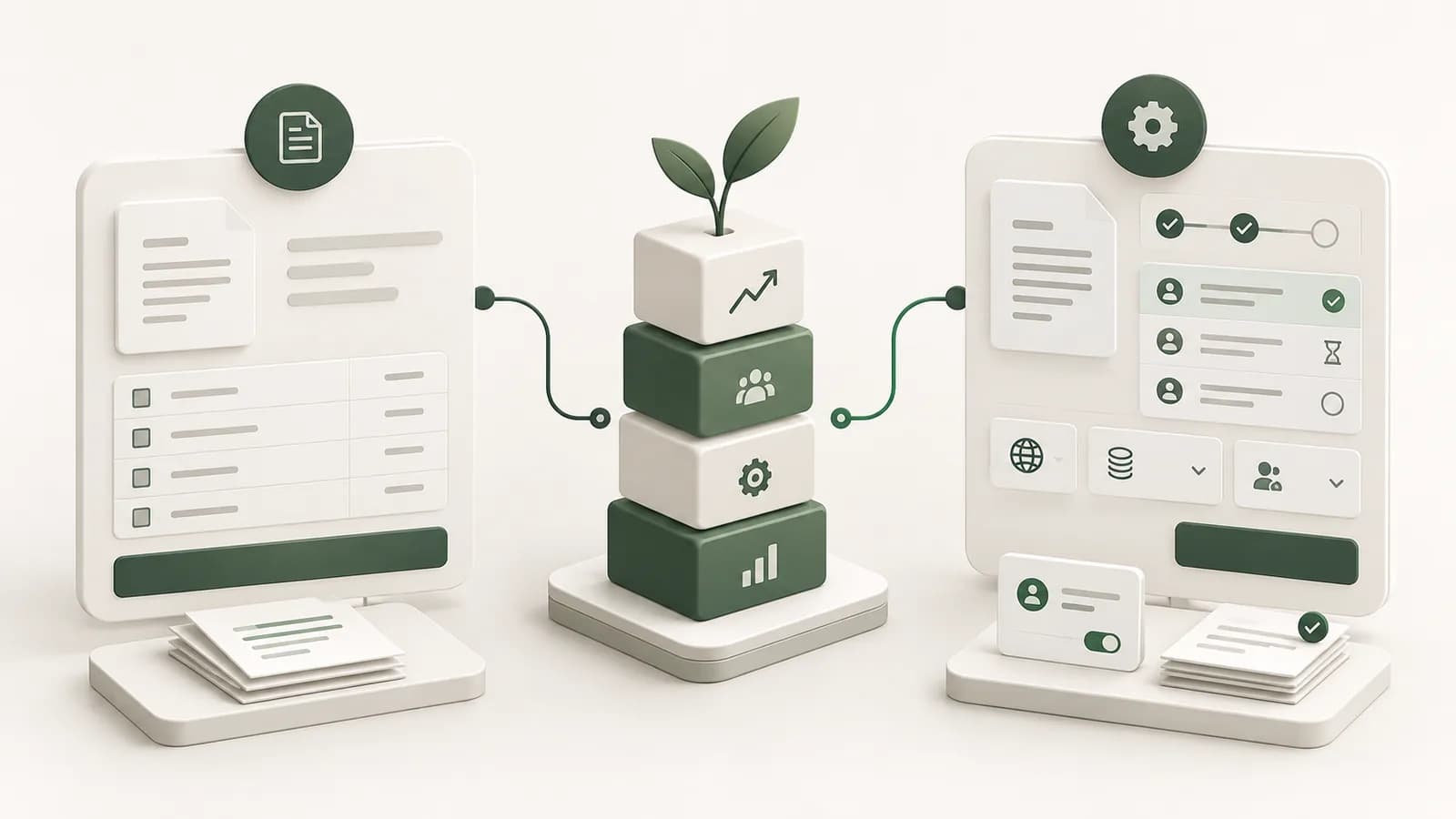
Billing operations · Sep 9, 2026
Zoho Billing vs Invoicera: Which Fits Growing Businesses?
Read article →
Billing operations · Sep 7, 2026
Hotel Group Billing: How to Control Multiple Properties and Billing Flows
Read article →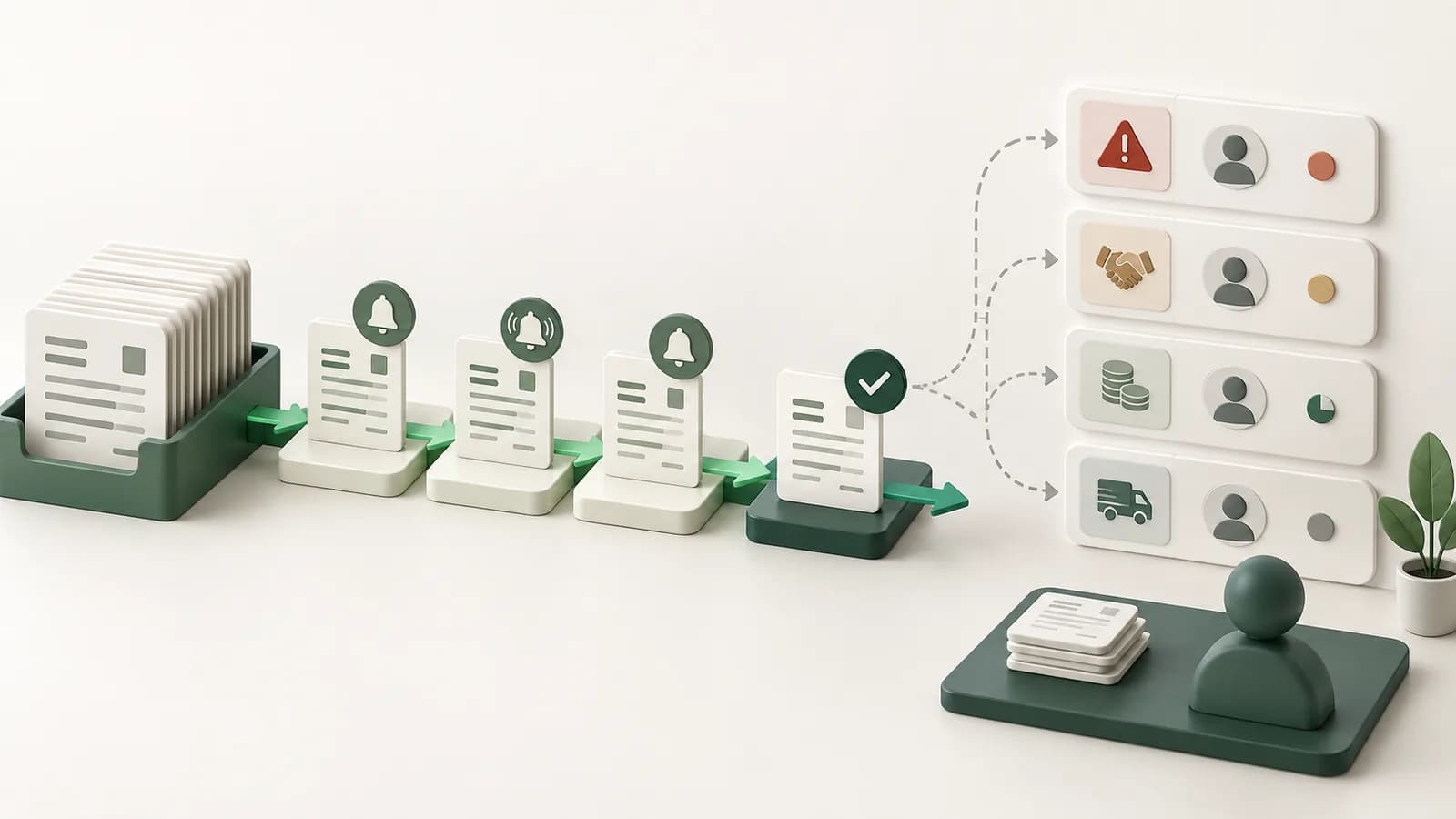
Billing operations · Sep 3, 2026
How Finance Teams Cut Billing Follow-Up Without Losing Control
Read article →Recurring billing questions
Questions to answer before billing leaves the calendar.
Know what repeats, what can change and what finance still reviews before sending.
What is recurring billing software?
Recurring billing software prepares invoices on a defined schedule for an agreement that repeats. In Invoicera, finance can configure weekly, monthly or annual timing, contract-linked start and end rules, and customer terms. Each invoice can still be reviewed before it is sent, so the schedule does not remove approval control.
Can recurring invoices require approval?
Yes. A recurring schedule determines when the invoice is prepared; an approval workflow determines whether it is ready to reach the client. Invoicera supports single-step and multi-step approval chains, role-based routing and value thresholds, with the decision and timestamp retained against the outgoing invoice record for later operational and audit review.
What happens when a contract amount changes?
Update the contract-linked billing terms with the date the new amount becomes effective. The next applicable invoice uses the revised terms instead of depending on someone to remember an exception. Finance can review that invoice before sending and keep the changed amount connected to the agreement that authorised it and its effective period.
Is recurring billing the same as subscription billing?
The operating mechanics can overlap, but the buyer language differs. Recurring billing commonly describes retainers, contracts and repeat service charges. Subscription billing commonly describes plans and customer subscriptions. Invoicera supports both through scheduled charges, while the two pages remain distinct so each buyer can start with the model they recognise.
Does recurring billing replace QuickBooks or Xero?
No. Invoicera runs the recurring billing operation and can send supported billing outputs outbound to QuickBooks or Xero. The accounting platform remains the system of record for the ledger. This keeps schedule, invoice review and billing control in Invoicera without asking finance to move the ledger or rebuild established accounting reports.
Start with the invoice someone still has to remember
Bring the recurring invoice that causes the most chasing.
Map its schedule, changing terms, approval path and outbound accounting handoff.
Book a Demo