

Solutions
Start where billing loses control.
Choose the role or operating model that best matches where ownership, inputs and decisions become unclear.
7-day free trial, no card needed.Invoicera is strongest when finance must coordinate variable billing inputs, outgoing approvals, customer-invoice exceptions, receivables work or multiple entities across disconnected systems. The right solution path starts with who owns the decision and how the business bills. Industry-specific operating patterns remain in the Industries section rather than being mixed into role pages.
Recognise the work
The same invoice crosses different desks for different reasons.
An account lead confirms the work, billing applies the terms, finance approves the outgoing amount and receivables follows the open balance. The breakdown usually happens at the hand-off, not inside the invoice template.
See the complete product operating model behind every solution path.
- 01
The billable source has no clear owner
A retainer, milestone or approved time record reaches billing without one accountable confirmation.
- 02
Review begins after the invoice is drafted
Finance reconstructs the commercial decision instead of checking a visible source and rule.
- 03
Collection context stays with another team
The open balance is visible, but the customer question and next action are not.
How it works
Choose the path by owner, input and decision.
A useful solution begins with the operating hand-off the team needs to make repeatable, not a broad list of features.
Start with client mix and account ownership on the agency billing path.
- 01
Name the owner
Identify who confirms the work, who prepares the invoice and who approves the outgoing amount.
- 02
Name the input
Separate retainers, milestones, approved time and entity rules so each follows the correct billing path.
- 03
Keep the hand-off
Carry the source, decision, exception and next action forward as the invoice changes state.
A practical decision rule
Route by the decision that can stop the invoice.
The most useful starting point is the unresolved decision - not the department name printed on an organisation chart.
Turn completed job stages into invoices with the contractor path.
Worked example
One $18,500 invoice, four accountable hand-offs
- Retainer confirmed
- $10,000 · account lead
- Milestone accepted
- $6,500 · delivery owner
- Approved time
- $2,000 · billing
- Outgoing total
- $18,500 · finance review
Industries
Billing by industry.
Explore billing by industry.
View all industries
Professional services
Control retainers, approved time, project work and client review before the invoice leaves finance.
View industry →
SaaS
Keep recurring periods, entered or imported quantities and renewal billing decisions visible.
View industry →
Construction
Turn accepted milestones, change orders and project billing checkpoints into controlled invoices.
View industry →
Logistics
Connect service records, rates, accessorial charges and customer requirements to outgoing billing.
View industry →
Legal
Keep the fee arrangement, reviewer and receivable path connected to the outgoing invoice.
View industry →Blog
Relevant reading for this decision.
Explore billing decisions.
View more articles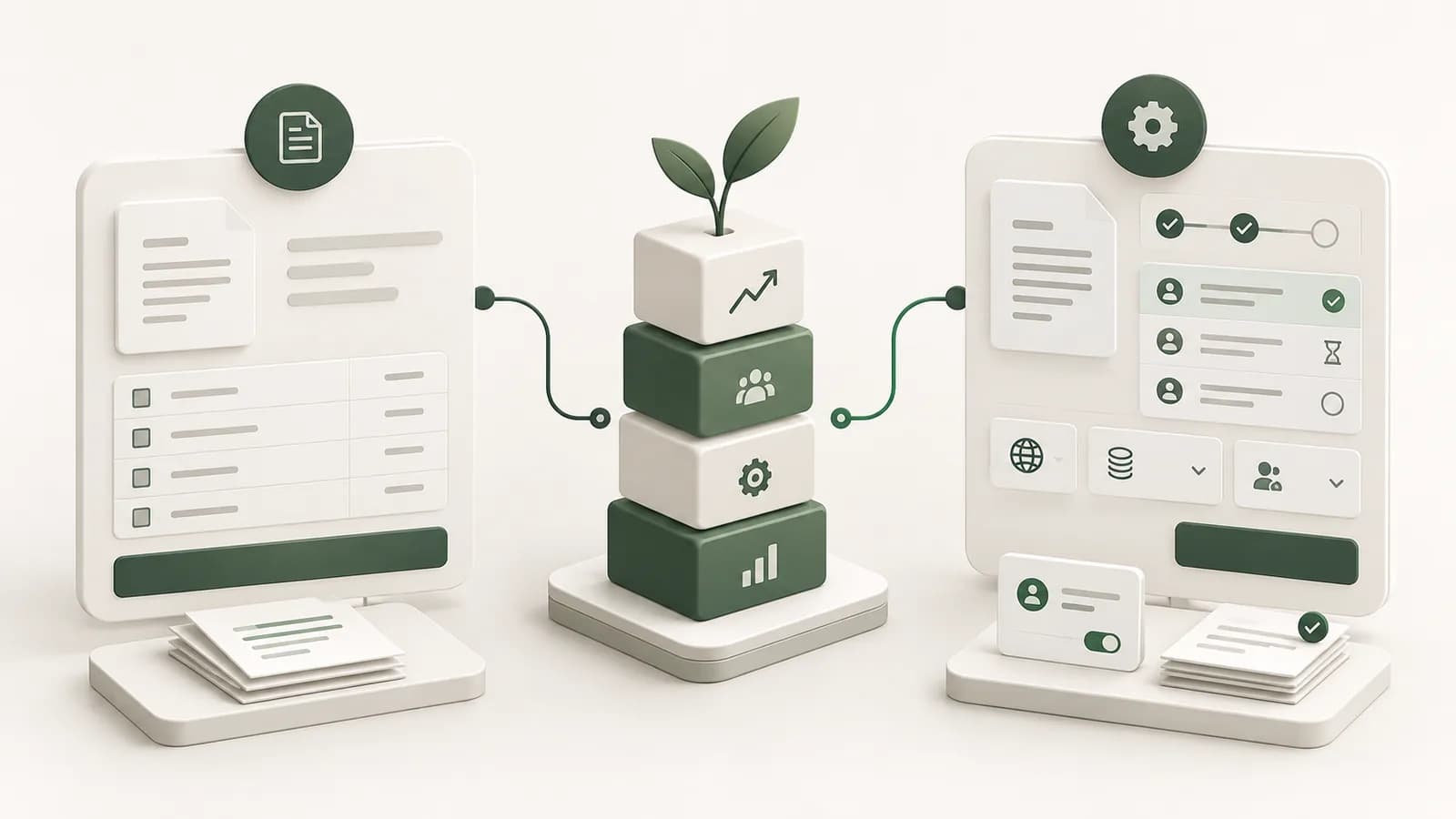
Billing operations · Sep 9, 2026
Zoho Billing vs Invoicera: Which Fits Growing Businesses?
Read article →
Billing operations · Sep 7, 2026
Hotel Group Billing: How to Control Multiple Properties and Billing Flows
Read article →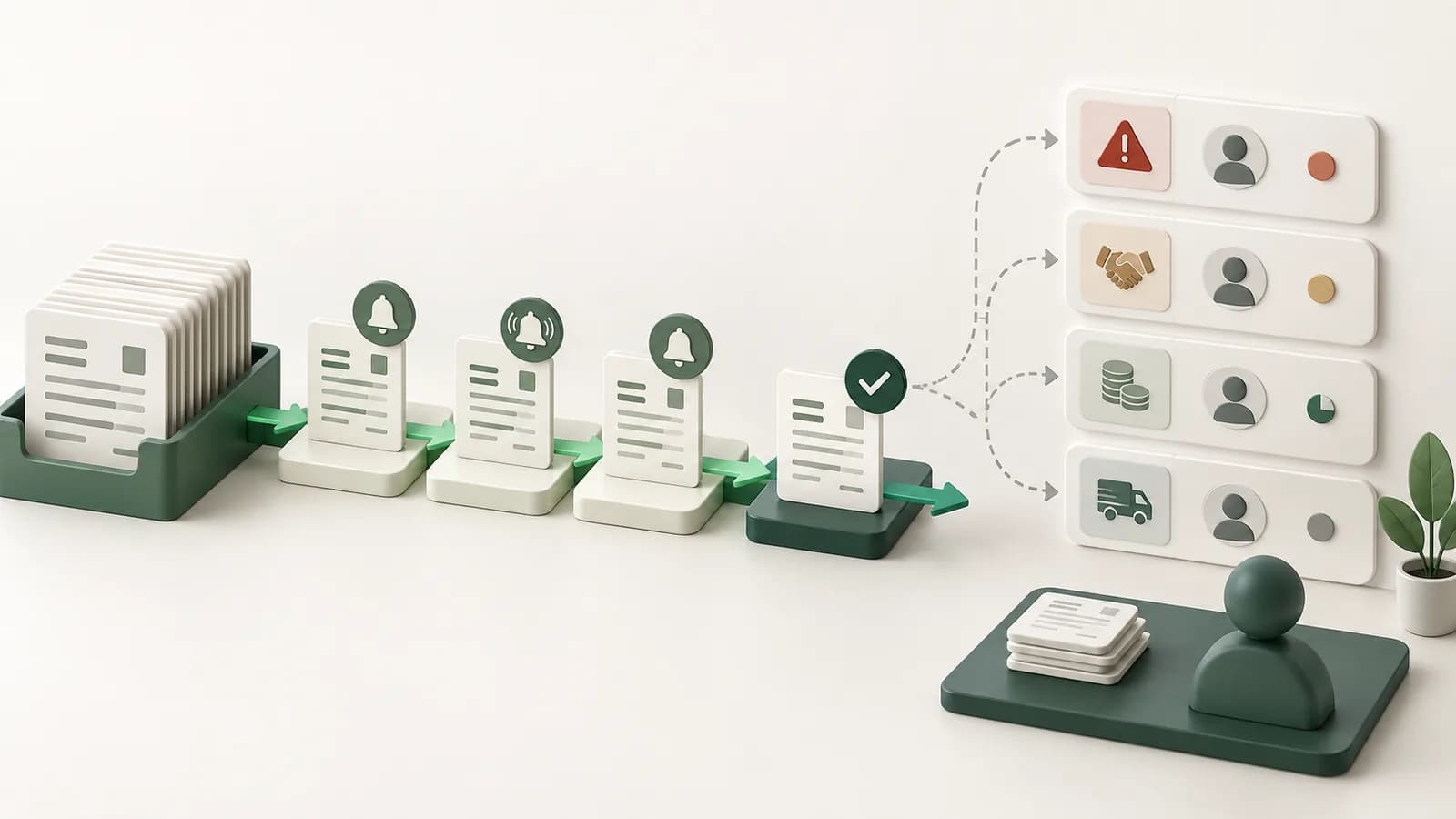
Billing operations · Sep 3, 2026
How Finance Teams Cut Billing Follow-Up Without Losing Control
Read article →Customer perspective
What customers say about working with Invoicera.
My contractor business moved away from a manual invoicing process. Invoicera made invoicing simpler, which leaves me more time to help clients.
Late payments made cash flow difficult to manage. Invoicera gives me notifications when clients have not paid, so I can respond and keep the business moving.
Invoicera has streamlined our billing operations and helped us reduce manual effort. We particularly value its automation, ease of use, and professional invoicing experience. It’s a great solution for growing businesses, and we’re happy to recommend it.
 Joel FernandezHumigyFounder
Questions buyers ask
Know where this fits.
Each answer stands on its own, including the boundary of what Invoicera does and does not do.
How should we choose the right Invoicera solution page?
Choose by the buyer decision that needs control. Role pages fit teams asking how agencies, contractors, consultants or accountants should run billing. Operating-model pages fit teams asking how projects, approved time or multiple entities should become invoices. Industry pages remain separate because they explain sector-specific billing patterns rather than a role alone.
Are solution pages different from product feature pages?
Yes. A solution page starts with an audience or operating situation and combines only the capabilities needed for that decision. A feature page owns the detailed product mechanism, such as outgoing invoice approval or multi-entity billing. Keeping those intents separate helps buyers reach the right answer without creating competing explanations for the same capability.
Does every team need the same billing process?
No. The control questions stay consistent, but the source and owner change. An agency may combine a retainer and milestone, a contractor may bill an accepted job stage, and a group finance team may apply separate entity rules. Each path should retain the source, approval, exception and next action relevant to that operating model.
Where do industries fit in the Solutions section?
Industries do not sit inside the Solutions taxonomy. Solutions are organised by role and operating model, while Industries explains sector-specific billing patterns and limitations. A professional-services firm can use an agency, consultant or project-based path, but the industry page remains the canonical place for the sector decision and related evidence.
Can Invoicera work with our existing accounting platform?
Invoicera works alongside supported accounting companions. It runs the billing record and the operational controls before the accounting hand-off, while the accounting platform remains responsible for the ledger. Review the exact companion direction and supported output before implementation; the public accounting connection must not be understood as a bidirectional replacement process.
Start with the real billing case
Bring the schedule, exception or approval that is hardest to control.
See how Invoicera would run it without moving the ledger out of the system your finance team already uses.
Book a Demo