
01
Start with the control, not the badge
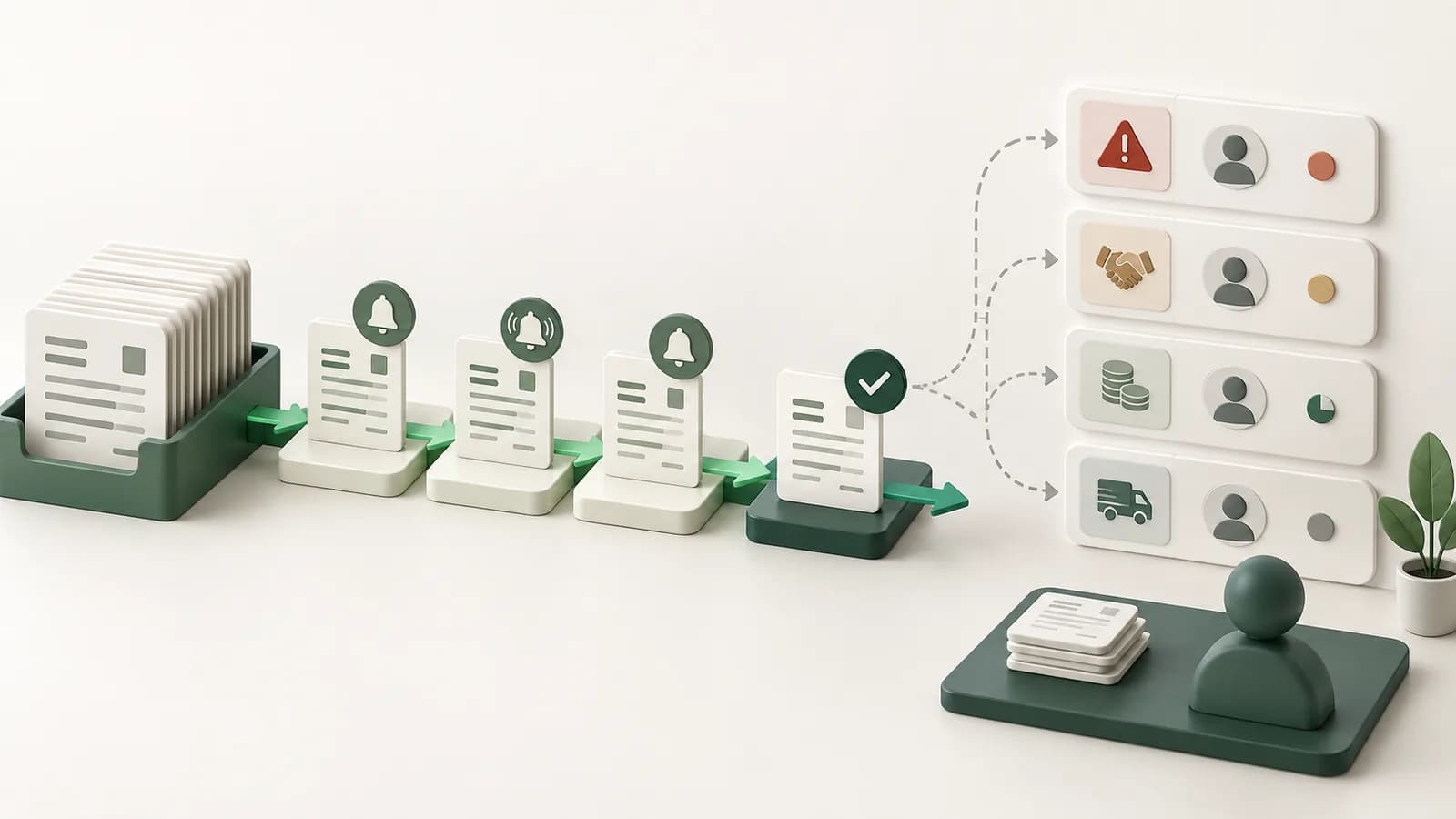
A trust review should begin with the action that matters: who can view or change a record, who approved an outgoing invoice, which event changed its state and what evidence can be exported for review. These questions connect a policy statement to product behaviour.
Invoicera supports role-based access patterns, approval audit trails, entity-scoped permissions and exportable audit evidence. Confirm the applicable plan, configuration and evaluation scope during the buyer review.
- Access follows role and applicable scope
- Approval actions retain actor and time
- Relevant changes remain reviewable
- Exports support an evidence hand-off
Put this into practice with invoice approval workflow.
02
Separate product controls from company assurance
A product capability, a company assurance record and a customer's configured control answer different questions. Product controls show what users can do, assurance records describe organisational scope and customer configuration determines how responsibilities are applied in practice.
Review each layer on its own terms. In the product, test roles, approvals and entity boundaries. During due diligence, ask for the documents relevant to your organisation, data and service scope. During implementation, record the people responsible for access, review and exceptions.
- Product behaviour: inspect in the evaluation
- Company assurance: confirm document and scope
- Customer configuration: assign named owners
- Implementation: test the intended control
Put this into practice with multi-entity billing.
03
Questions for data handling and access
A production review should cover hosting and storage, encryption, identity and access, administrative support, backup and recovery, retention and deletion, subprocessors and incident communication. Ask how each answer applies to the service and region your team will use.
Bring your security, privacy and operational requirements into the evaluation early. That lets the Invoicera team respond to the actual data flow and implementation scope while your reviewers keep product behaviour, contractual commitments and internal policy decisions clearly separated.
- Hosting, storage and recovery
- User and administrative access
- Retention, deletion and subprocessors
- Incident and support communication
Put this into practice with Product.
04
Evidence for billing integrity
Billing integrity depends on more than infrastructure. Review how drafts are authorised, how issued documents are protected from silent edits, how changes are attributed, how entity scope affects access and how exceptions move to an accountable owner.
Then test one difficult case: a changed amount after approval, a user who should not see another entity, or an invoice that needs correction after issue. The evaluation should show the expected denial, revision or audit event rather than relying on a feature label.
- Test an unauthorised access attempt
- Test a post-approval change
- Test entity-scoped visibility
- Export the resulting audit evidence
Put this into practice with Contact.
05
Run a focused buyer review
Choose one real invoice workflow that includes a meaningful approval, entity boundary or exception, but remove customer-identifying data before the review. Map the users involved, the source record, the decision that permits sending, the evidence retained after a change and the downstream accounting hand-off.
Use the result to identify configuration questions before rollout. A focused review is more informative than a broad feature tour because it shows whether access, ownership and audit evidence remain clear when the billing case becomes difficult.
- Use one complete invoice workflow
- Include one permission boundary
- Include one changed decision
- Inspect the downstream hand-off
Put this into practice with Customers.
Continue in context